

PROTECTING THE FUTURE OF COFFEE
As a proud partner of JDE's Common Grounds program, we're actively overcoming the challenges we face as people and planet, so that we can keep enjoying great coffee beyond tomorrow.

RESPONSIBLE SOURCING
We are committed to 100% responsibly source coffee by 2028, engaging with farmers and supply chains to address their challenges so that we improve our impact on the planet.
MINIMISING FOOTPRINT
We're working to make our impact 'planet positive.' Our goal is simple: by 2030, all our packaging will be recyclable, compostable, or reusable. We’ve made nearly 80% meet these standards today. Last year alone, we saved 3,000 tons of glass by making each jar 10-15% lighter.

CONNECTING PEOPLE
We are working to make sure that everyone can prosper by supporting well being and promoting equal opportunity – in our local communities and, as we can see below, in coffee-growing regions.
REVITALIZING COFFEE COMMUNITIES

In Kagera, Western Tanzania, coffee is a lifeline, but poor harvests, climate change, and economic uncertainty have threatened this vital tradition and future for countless families.
The Wunderbar Project is an initiative to help rejuvenate coffee production, supporting farmers and sparking a growing positive influence throughout an entire region. Through a wide variety of initiatives, including education, training and the introduction of modern agricultural practices like planting new seedlings and revitalising existing trees, Jacobs initiates change that helps farmers thrive. The positive impact of The Wunderbar Project extends far beyond the farmers, reaching into entire communities and creating a widespread positive influence for everyone. Because when coffee thrives, communities thrive.
MEET THE PROJECT HEROES
From farmers to coffee-growing trainers to nursery workers, our coffee heroes are locals who’ve allied with us to be the heart and soul of coffee rejuvenation in the Kagera region. Meet 5 of these individuals and see how for them, when coffee thrives, their communities thrive.
SEE THE PROJECT IN ACTION
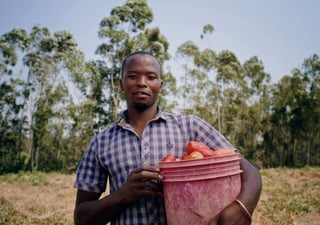
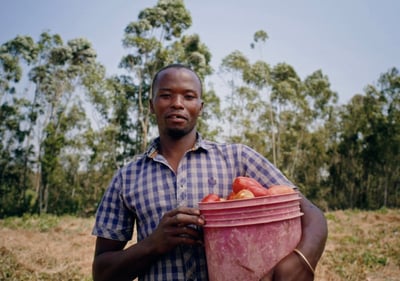
This is Johannes. He is a youth coffee farmer who received land from a special government programme called BBT and is part of the Jacobs Wunderbar Project in Kagera, Tanzania. He has received training from the project to develop his coffee farm and after learning new techniques from the Jacobs Wunderbar Project, he started a two-crop model which has been recognised across the country. He provides training to other youth in the area and is helping to stimulate peer desire to be coffee farmers.
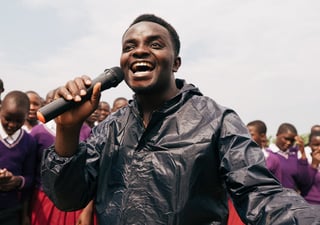
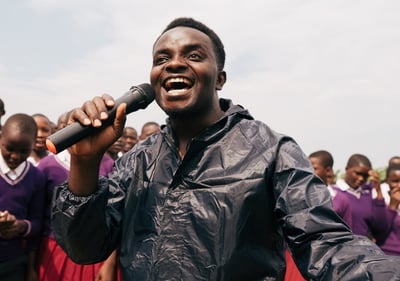
This is Balagoma. He’s a teacher — and his classroom - a coffee farm. But he has another powerful way to teach, through music. He discovered that through singing, his community truly started to see the benefits of sustainable coffee farming. The lessons from the Jacobs Wunderbar Project gave him coffee knowledge; his music gave that knowledge a soul.
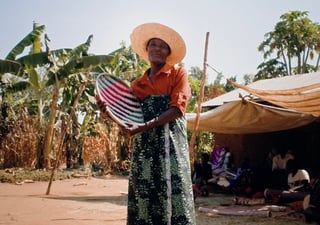
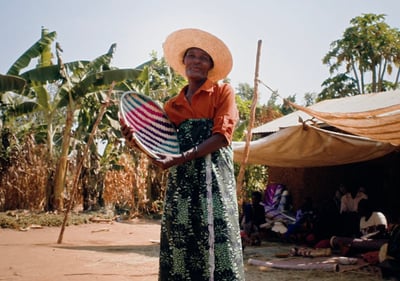
This is Helena. Helena’s ingenuity is rooted in community. She and the other women in her group have combined the art of weaving with the stability from coffee to create handicrafts with a purpose. Coffee provides their foundation; weaving together provides their future.
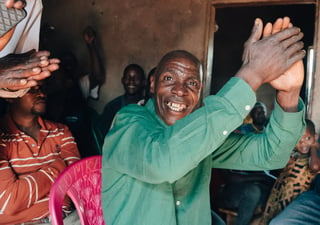
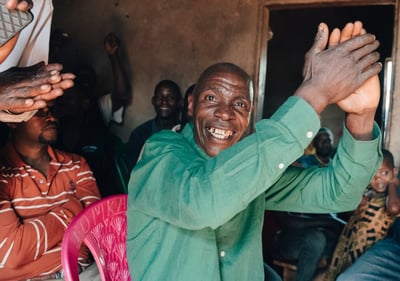
Jafari built a football booth in his small village so that his community members can come together and enjoy their love of football and coffee together. The nearest village where they could previously watch a football game on TV was 16KM away and most would need to walk that distance on foot. Now for the price of 0.17c they can watch a game together and drink coffee harvested and roasted from Jafari’s own farm
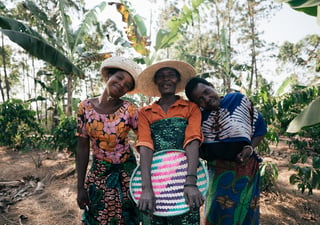
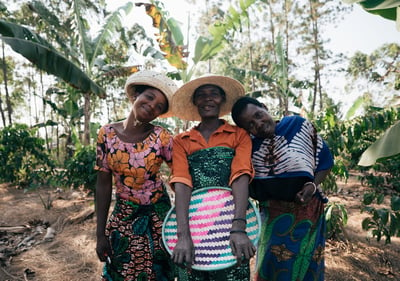
Helena is testament to the power of shared knowledge. Her training to learn better agronomic skills was provided to her by her brother who was trained by a trainer within the Jacobs Wunderbar Project. She continues to share this knowledge with the women who are part of her weaving circle.
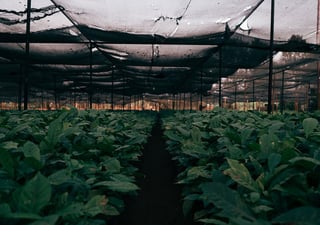
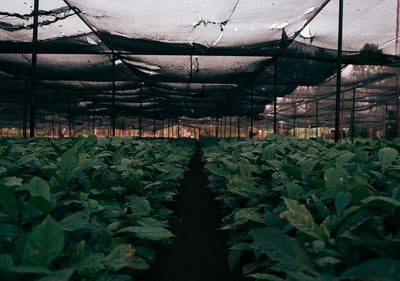
A total of 686,726 seedlings have been produced and distributed to farmers participating in the Jacobs wunderbar project, Kagera. Farmers report these seedlings at maturity have resulted in a significant yield improvement from 300 kgs of coffee parchment per acre to 900kgs of coffee parchment per acre.
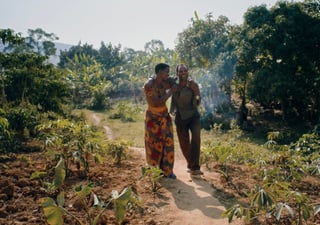
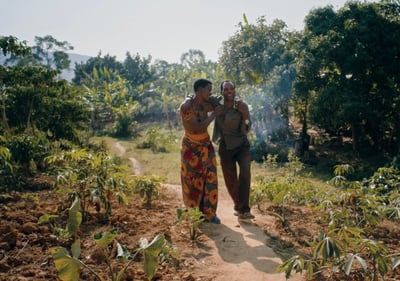
In a short span of 5 years, Aderina nd Matias have implemented the trainings from the Jacobs Wunderbar Project and have turned what was rocky and wild land into the leading coffee farm within the Project. They were acknowledged as the lead farmers in the initiative at the press event held in Bukoba, Kagera in July 2025.
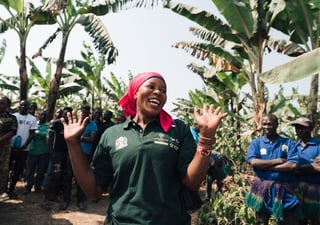
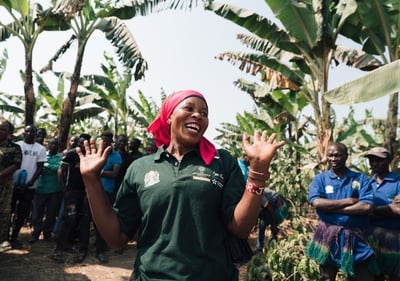
In Tanzania, women play vital, yet often undervalued, roles in peasant agriculture. While they constitute a large proportion of the agricultural labour force, they frequently face challenges like limited access to resources, decision-making power, and land ownership, hindering their potential to contribute fully to the sector. As part of the Jacobs wunderbar project, women are actively participating in coffee production with approximately 40% of AMCOS members being female
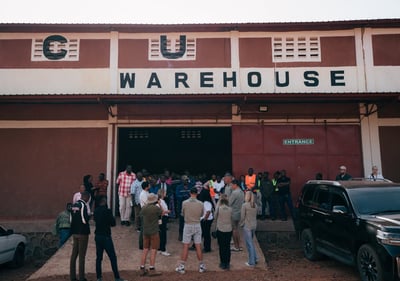
Karagwe district co-operative union (KDCU factory) in Karagwe, Kagera. KDCU is our partner and an organization of small-scale coffee growers in the Kagera region. They include 133 agricultural marketing cooperative societies (AMCOS) that form the backbone of the thriving agricultural community and contribute to sustainable coffee development.
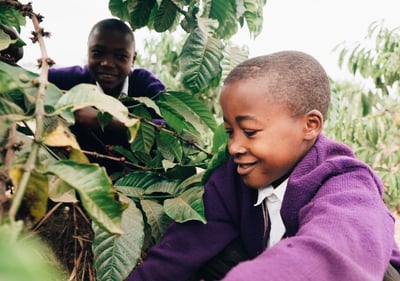
In the far west of Tanzania, lies Kagera. Here, coffee isn’t just grown. It’s a way of life. It connects generations and builds futures, one harvest at a time. That’s why we started the Jacobs Wunderbar Project in partnership with Common Grounds and NGO, Café Africa.
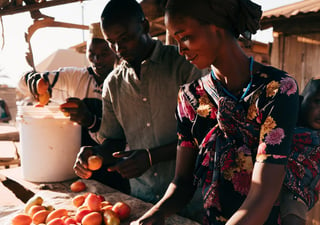
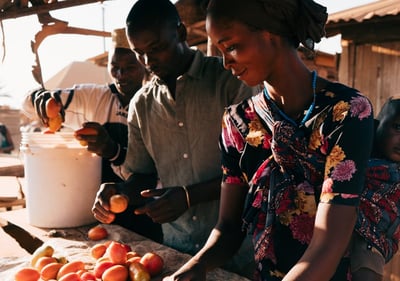
Johannes is a visionary farmer who puts sustainable entrepreneurship into action. He has developed a brilliant diversification strategy between coffee and tomatoes. He uses the quick profits from his tomato crop to reinvest in his coffee, turning one harvest into two streams of income.
Johannes sells his tomatoes to local women, creating a new wave of entrepreneurs. His success fuels theirs.
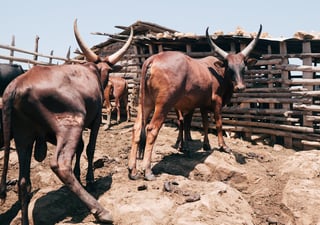
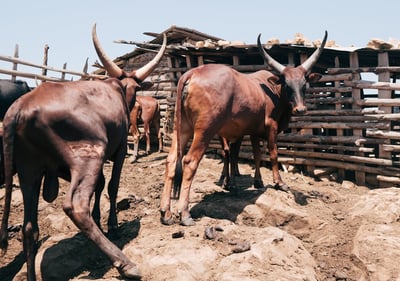
When coffee thrives, communities thrive. This is evident by Aderina and Matias, 2 coffee farmers who have invested profits from a stable coffee harvest into dairy cows, creating a virtuous cycle. The milk from the cows provides better nutrition for their children and the manure is the perfect natural fertilizer, creating richer soil for their coffee plants.